
Find Genealogy Records in Cleburne County
Cleburne County genealogy records offer a window into the families who settled this part of east Alabama. The county was formed in 1866 from parts of Calhoun, Randolph, and Talladega counties. Heflin serves as the county seat and is where the probate court keeps marriage records, wills, and estate files. Located in the Appalachian foothills near the Georgia border, this rural county has a small population but a rich collection of records dating back to its founding. The county health department handles birth and death records through the statewide ViSION network. Church records and cemetery logs from local congregations help fill in gaps before state registration began in 1908.
Cleburne County Quick Facts
What Genealogy Records Are Available
Cleburne County keeps a solid set of records for family history work. The probate court has marriage records from 1866 when the county was formed. Birth and death records from the state system start in 1908. Older vital events may be found in church records, cemetery logs, and family bibles held by local families.
Types of genealogy records you can find in Cleburne County:
- Birth records from 1908 to present (state system)
- Death records from 1908 to present
- Marriage records from 1866 to present
- Divorce records from Circuit Court
- Probate and estate files from 1866
- Land and deed records
- Tax records and voter rolls
- Court case files
- Military discharge papers
Alabama did not keep birth and death records at the state level until 1908. For events before that year, you need to look elsewhere. Church records often list baptisms, which give birth dates. Cemetery stones show death dates. Family bibles kept track of births, marriages, and deaths for generations.
Since Cleburne County was formed from parts of three other counties in 1866, records before that date are in Calhoun, Randolph, and Talladega counties. If your family lived in what is now Cleburne County before 1866, you must search those parent counties. This is a common issue in Alabama genealogy because many counties were carved from older ones.
Cleburne County Probate Court
The Cleburne County Probate Court is the main source for genealogy records in the county. This office keeps marriage licenses, wills, estate files, and guardianship papers. The probate judge also serves as the head of county government. Records date back to 1866 when the county was first organized.
The courthouse sits in downtown Heflin on Vickery Street. It is a small office, so calling ahead is a good idea. Staff can help you search their indexes and locate the files you need. You can view records in person during office hours. For copies, staff will pull the file and make copies while you wait.
Marriage records at the probate court are public. Anyone can ask for a copy without proving a family link. This makes marriage records one of the best sources for genealogy. The court keeps marriage indexes from 1866 to today. These indexes list names and dates so you can find the right record quickly.
| Address |
Cleburne County Probate Court 406 Vickery Street Heflin, AL 36264 |
|---|---|
| Phone | (256) 463-5655 |
| Hours | Monday through Friday, 8:00 AM to 4:30 PM |
| Website | cleburnecountyalabama.com |
Wills and estate files are also good sources for genealogy. When someone died, their estate often went through probate court. These files list heirs, property, and sometimes debts. You can learn about family ties from who was named in a will. Estate inventories can show what goods and land a family owned at death.
Land records at the probate office can help trace families too. Deeds show when land changed hands and who sold to whom. Some deeds list family connections like "son of" or "heir of." Tax records show who owned land each year. These can help fill gaps when vital records are missing.
Cleburne County Health Department
The Cleburne County Health Department issues certified copies of vital records. Through the statewide ViSION network, staff can access any Alabama birth, death, marriage, or divorce record. You do not need to visit the county where the event happened. Any county health office in the state can pull records from the central system.
There are rules for who can get vital records. Birth records less than 125 years old have limits. Only the person named, a parent, or a legal guardian can get a copy. Death records less than 25 years old have some limits too. After these time periods, the records open up for genealogy use by anyone.
| Address |
Cleburne County Health Department 4 Medical Drive Heflin, AL 36264 |
|---|---|
| Phone | (256) 463-2296 |
| Hours | Monday through Friday, 8:00 AM to 4:30 PM |
| Website | alabamapublichealth.gov/cleburne |
Walk-in service is often same day. Staff search the state database and print your record while you wait. Bring a valid ID and know the details of what you need. If you are not the person named on the record, bring proof of your right to get it. Mail requests are also accepted but take longer to process.
How to Search Records
You have several ways to search genealogy records in Cleburne County. Online searches work for some lookups. In-person visits let you see full documents. Mail requests work when you know what you need. Each method has its place depending on what you are looking for.
Start with free online resources. The Alabama Department of Archives and History has digital records. FamilySearch has free indexed Alabama records. These can help you find names and dates before you request official copies from the county.
For vital records, you have three choices:
- Visit the county health department in person
- Mail a request with payment to the health department
- Order online through VitalChek
VitalChek is the state's online ordering partner. You can order birth, death, marriage, and divorce records at their website. They add a service fee on top of the state fee. This is a fast option if you cannot visit in person. Go to vitalchek.com or call 1-888-279-9888 to place an order.
The AlacourtAccess portal covers court records. Go to pa.alacourt.com and search by name or case number. The system covers all 67 Alabama counties, including Cleburne. You can find divorce records, civil cases, and criminal files. This is a good starting point for court record searches.
Online Access Options
Cleburne County is small and rural, so fewer records are online compared to larger counties. But several state and national resources can help with your research. Many records have been indexed by volunteers and are available for free.
Online resources for Cleburne County genealogy:
- AlacourtAccess for court records at pa.alacourt.com
- Alabama Department of Archives digital collection at digital.archives.alabama.gov
- FamilySearch free records at familysearch.org
- Ancestry subscription database at ancestry.com
- FindAGrave for cemetery records at findagrave.com
FamilySearch has free records with no subscription needed. They have indexed Alabama vital records, census data, and church records. The collection grows as volunteers add new data. Create a free account to use all their tools and save your findings.
The Alabama Department of Archives and History has free digital records. They have old newspapers, photos, and government files. Some Cleburne County records from the late 1800s are in their collection. This is a good starting point for older research before you visit in person.
Census records are key for genealogy. Federal census records from 1870 to 1950 list Cleburne County residents. The 1870 census was the first to cover the county since it was formed in 1866. These records show family groups, ages, birthplaces, and jobs. They help you track families over time.
In-Person Access
Visiting in person is the best way to see full records. Staff can help you search and explain what is there. You may find things that do not show up in online indexes. Bring a notebook and a valid ID.
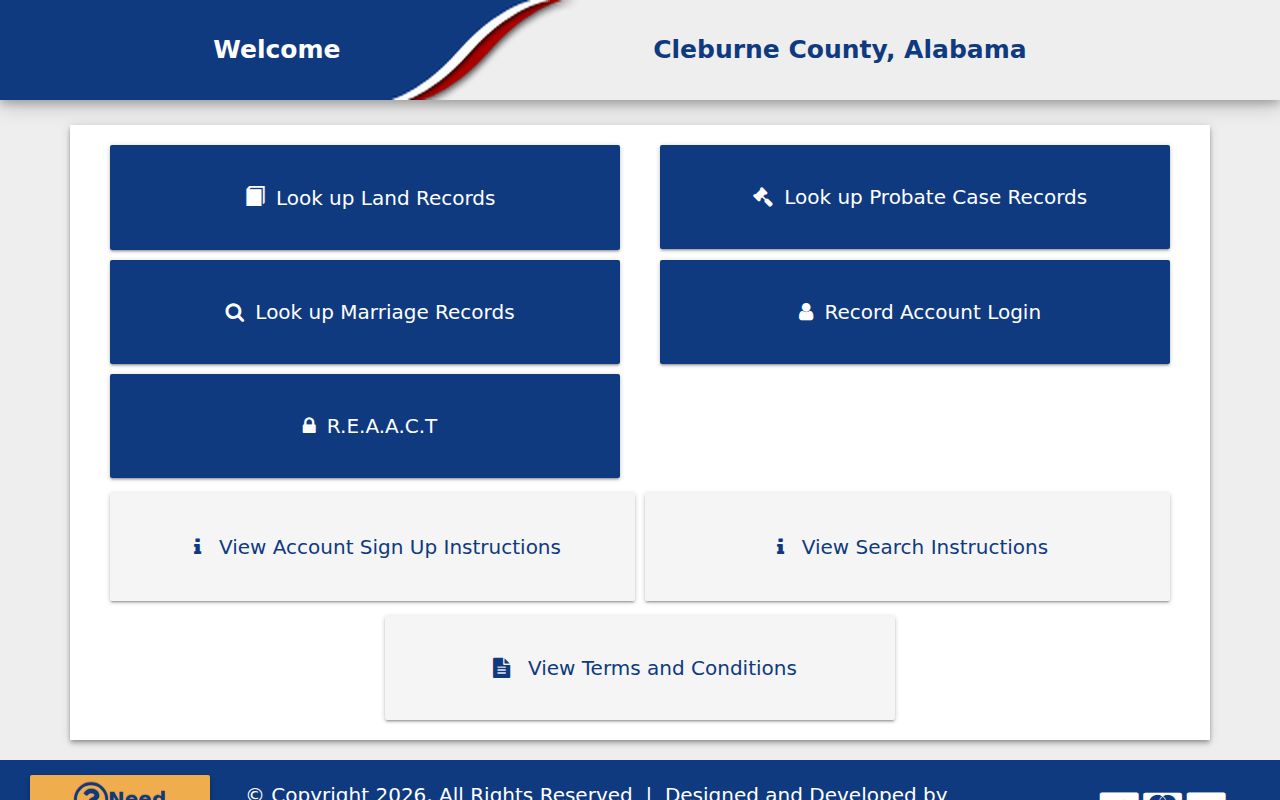
The Cleburne County Courthouse is in downtown Heflin on Vickery Street. The probate office is on the first floor. Go there to search marriage records, wills, and estate files. Staff can search indexes and pull files for you to view. You can take notes or order copies.
The Cheaha Regional Library in Heflin has some local history materials. Small libraries often hold items that were never digitized. Newspaper clippings, local history books, and family files may be available. Ask staff about their genealogy collection when you visit.
The Alabama Department of Archives and History in Montgomery is worth a trip for older records. Their research room has the best collection of early Alabama files. Some Cleburne County probate records from the 1800s may be stored there for preservation. The drive from Heflin takes about two hours.
Parent County Records
Cleburne County was formed in 1866 from parts of Calhoun, Randolph, and Talladega counties. If your ancestors lived in what is now Cleburne County before 1866, their records are in those parent counties. This is an important point that trips up many researchers.
The county was named for Confederate General Patrick Cleburne. It was organized right after the Civil War. Families who lived in the area before 1866 filed their deeds, marriages, and court papers in the parent counties. You must search those records to find events before the county was formed.
Here is where to look based on location:
- Northern Cleburne County came from Calhoun County
- Eastern areas came from Randolph County
- Western portions came from Talladega County
If you are not sure which parent county held your area, look at old maps. The Alabama Department of Archives has historical maps that show county boundaries over time. Staff there can help you figure out which county to search for pre-1866 records.
Local Genealogy Tips
Cleburne County sits in the Appalachian foothills near the Georgia line. The area has rugged terrain that shaped how families lived and worked. Many early settlers came from Georgia, the Carolinas, and Tennessee. If you trace families back before they arrived in Alabama, look to those states.
The county has always been rural with small farms. Mining and timber work were common in the past. Company records from mines and lumber operations may list workers. Some of these records are at the state archives or in private hands.
Cheaha State Park is in Cleburne County. It includes the highest point in Alabama at 2,407 feet. The park area was part of early settlement, and some families lived near what is now the park. Check old land records if your family lived in the Cheaha Mountain area.
African American genealogy in Cleburne County involves Freedmen's Bureau records from after the Civil War. These federal files list names, ages, and family ties of formerly enslaved people. The Alabama Department of Archives has many of these records. Church records from Black congregations are another key source for this research.
The county has many small cemeteries scattered across the hills. Some are on private land and hard to find. FindAGrave has photos and listings for many of these burial sites. Cemetery records can provide death dates when vital records are missing. Tombstones often list birth years too.
Cities in Cleburne County
Cleburne County has several small towns but no cities over 50,000 people. All residents use the Cleburne County Probate Court for marriage records and the county health department for vital records. The main towns include Heflin, Fruithurst, and Ranburne. Heflin is the county seat and the largest town. All genealogy record requests go through the county offices in Heflin.
Since Alabama does not have city-level vital records offices, the county is your source. This is true for all 67 counties in the state. Whether your ancestor lived in Heflin or a tiny crossroads, the county probate court and health department have the records.
Nearby Counties
These counties border Cleburne County. If your family lived near the county line, check records in both places. Borders have shifted over time, and some ancestors may appear in a different county than you expect.
Remember that Cleburne County was carved from Calhoun, Randolph, and Talladega counties in 1866. For records before that year, you must search those parent counties. The border with Georgia also means some families crossed state lines. Check Polk County and Haralson County in Georgia if your family had ties to the east.